


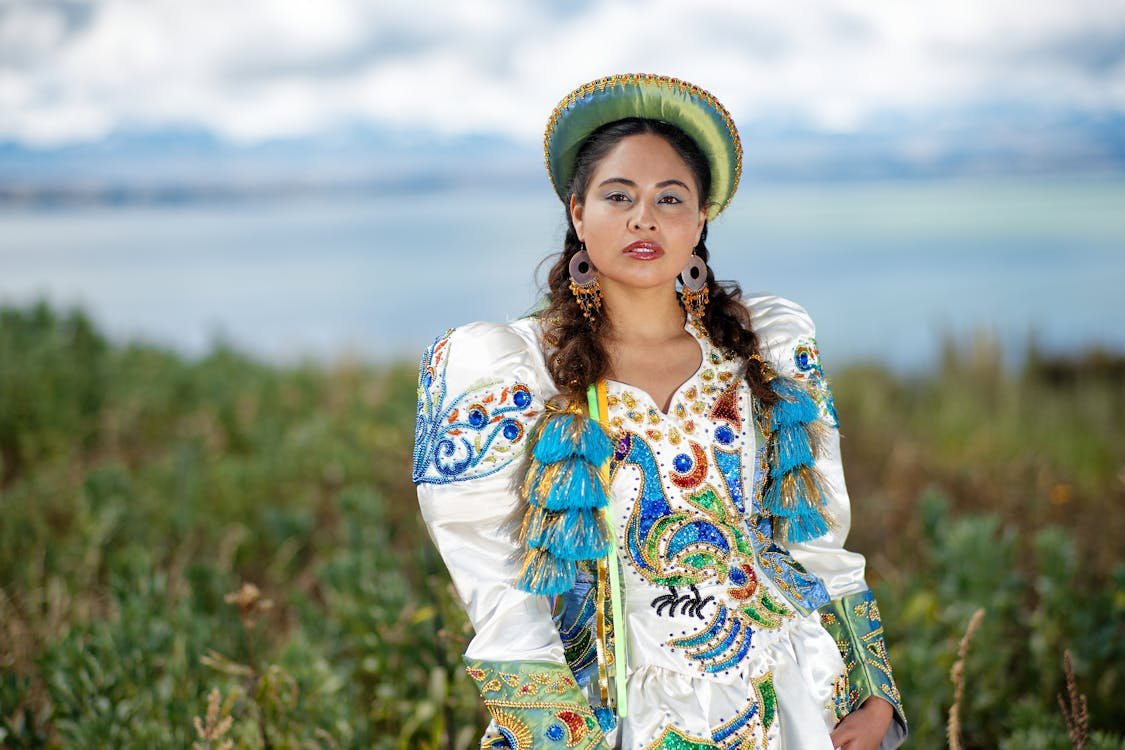
Origins dresses
The introduction of Origins dresses was crucial to human evolution. It allowed our species to spread out of Africa and adapt to colder climates and harsher environments. The first function of the clothes was therefore survival. But long before the advent of clothing, people have been
disguising
their bodies through painting, jewelry and other adornments.
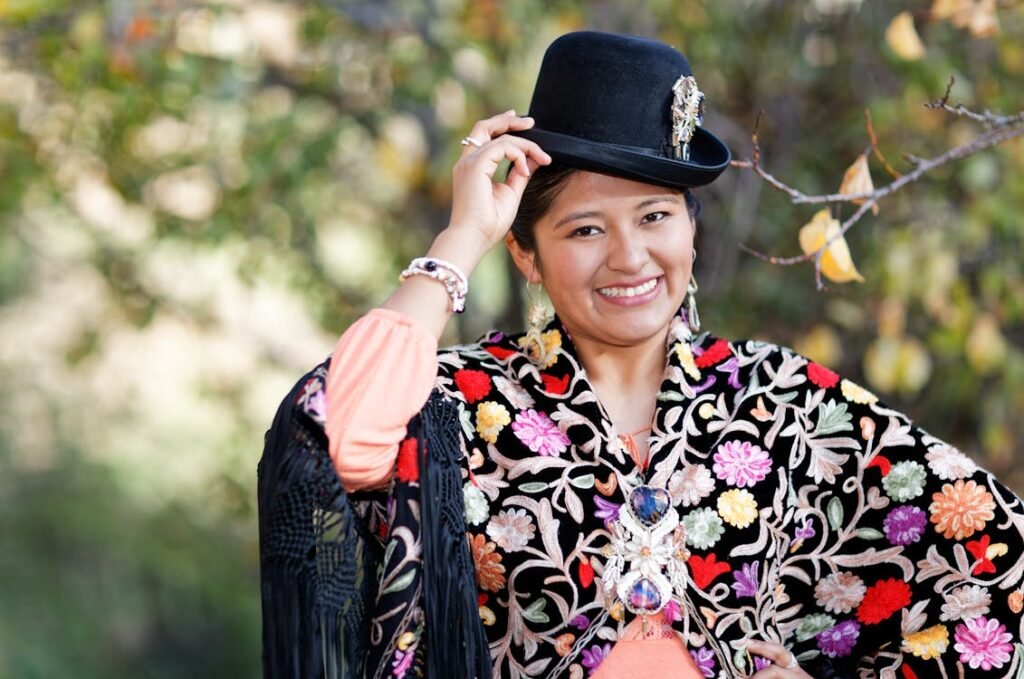
Clothes have therefore always been more than just functional. Human clothing is both a fundamental fact of our personal and social life and a complex reflection of our history. The focus of this essay is on the overlap and intersection between clothing and fashion.
The report reviews the theory and literature on clothing and fashion paradigms and the connections between them.
the desire to appear identical or the desire to be different from those around us. based.
The report reflects the complex and layered history of clothing and fashion paradigms. The general conclusion of the report, derived from the literature review and interpretation of the research findings, is that people make clothing decisions based on a strong need for a sense of belonging with the rest of society and that clothing plays an important role in defining clothing
. plays our identity
. Clothing as a means of communication helps
us connect with other social groups, and clothing allows people to make judgments or distance themselves from others based on the assumption that they are different or do not belong to the same social groups because of how they Origins dresses.
During the Middle Ages, monarchies, the Catholic Church, and the nobility also took legal action to preserve their rank and status, passing luxury laws to prohibit an emerging merchant and middle class from wearing certain types of clothing and jewelry.
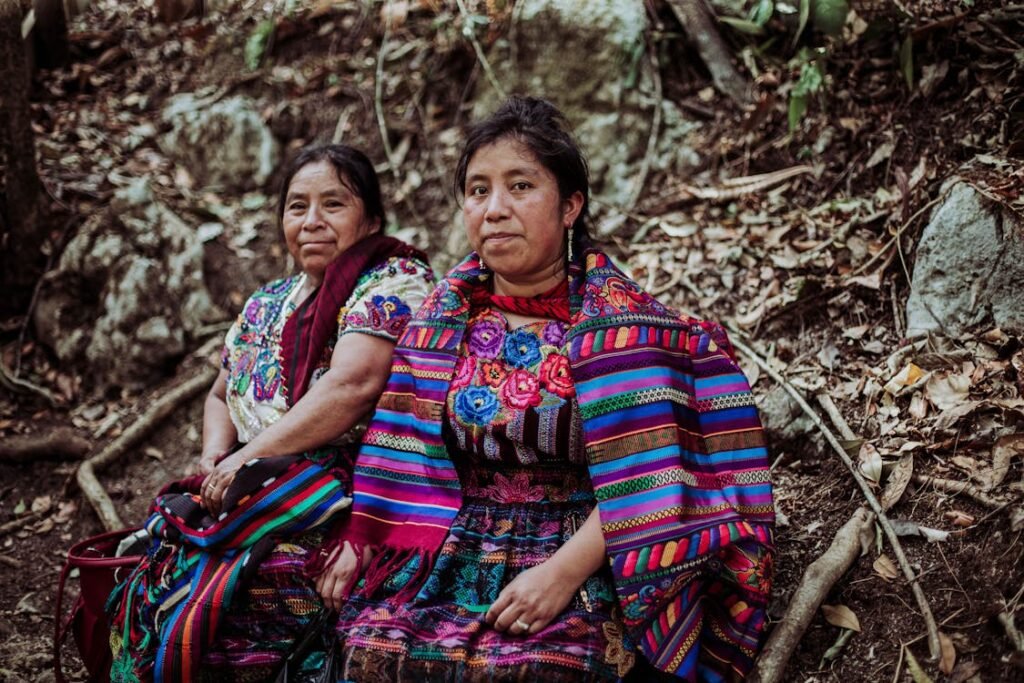
Since the rise of civilizations and empires, clothing was no longer just functional for the elite, but clothing remained scarce, expensive and useful for the poor, peasants and now the working class during the Industrial Revolution.
Work clothing became a priority and working class families became experts at repairing and extending the life of the few items of clothing they owned.
Clothing was originally a functional resource to cope with the harsh climate of Northern Europe. It can still be argued that clothing is still functional for a large number of global citizens in poor and developing countries in the 21st century.
For these people,
the main purpose of clothing is to be suitable and durable for work in the field and factory. For all of us, clothing continues to provide functional protection against extreme heat and cold. Of course, as the report has shown, clothes have taken on all sorts of political, status and symbolic values. Now is the time to consider that clothing Origins dresses is also fundamental to personal and cultural expression, to the creation of inspiring art and design, to the aesthetic joy of craftsmanship and to broader social change.
For human cultures, clothing has also played an important role in our ceremonies, rituals and religious practices. Ruling classes, religious leaders, the military and the judiciary – all have used certain clothing to enhance their power and status and assert their authority. Clothing also plays a crucial role in gender identification and gender politics.
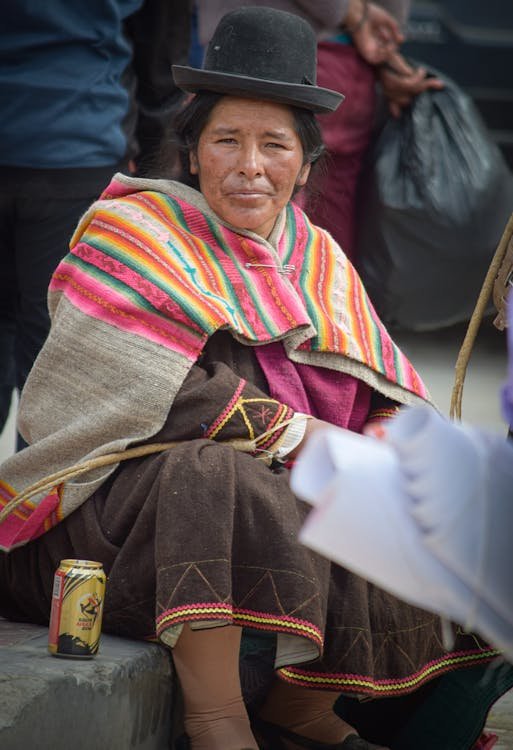
Girls and women have historically been subject to men’s control and preferences in determining their clothing: the length of their hems; focus on her breasts, waist or legs that . Even today, we see clothing used to empower or empower girls and women, with the question of what women should choose or wear the subject of much heated debate.
Clothes have therefore always been off
Charles Frederick Worth was the first to understand this essential truth.
Fashion shows and fashion stores were traditionally created to communicate and sell fashion, but we are moving towards a broader and deeper understanding of fashion’s cultural and social value. It gives us an insight into the past and there is now an understanding of the importance of promoting and preserving parts of fashion history.
It is an embodiment of peoples and cultures and creates connections between people and with moments of historical significance. Fashion should be treated not only as a commodity but as a cultural, social Origins dressesand symbolic artefact. The theory that clothes are made in factories and become “fashion” when marketers get their hands on them is an overly simplistic approach.
Fashion should also be seen as an important form of communication:
it’s about making a statement;
It has its own visual language with its own distinct grammar, vocabulary and syntax. It is a visual language that transcends cultures and international borders, connecting consumers and breaking down barriers. Naturally, there is an imbalance in this dialogue between the rich industrialized countries where fashion is consumed and the developing countries where it is often produced.
The worst excesses of unsustainable production processes have extremely harmful effects on the environment in poor countries. But the industry has begun this difficult discussion, driven by consumers and those within the industry. The fashion industry can take the lead in this global warming debate and, given its global influence, can make a real difference in shaping and influencing this debate for the better.
We know that Origins dresses and clothing undoubtedly have sociological and symbolic significance. Through the centuries, clothes have provided the opportunity to convey a message about who we are,
our status and our lifestyle.
Dress codes and semiotics and unconscious symbolism associated with clothing contain meanings but have not been fully understood for a long time. First of all, this is complicated by the fact that the meaning of fashion and clothing has changed over time and customs. Fashion codes depend on context and their variables are often interpreted and valued differently depending on social groups and time periods. Interest in fashion comes and goes and depends on events: wars, recessions, current politics.
What style of clothing certain groups choose at certain times or what fabrics, cuts and colors are considered desirable at that time depends on these external factors. For example, women’s hem lengths became longer during World War II due to fabric shortages. Context is everything when it comes to understanding clothing styles.
By definition, fashion is always turbulent and unpredictable. It is determined by seasons, trends, profits, changing customer behavior and attitudes, and external events. These codes are also influenced by the ingenuity of fashion innovators, designers and brands. They can and will affect the transmission and perception of these codes to consumers. But fashion offers rich insights into our past and present if we learn to decipher its messages, and it’s worth the effort.
Click here




Leave a Reply