


Floral dress linen fabric
What is linen fabric?
Floral dress linen fabric is a linen-based textile that is mainly used for household purposes. Although linen is similar to cotton, it is made from fibers that come from the stalks of the flax plant rather than the bulbs that grow around cotton seeds.
Linen clothing is desirable in hot and humid climates. Unlike cotton, which tends to retain moisture for long periods, linen dries quickly, which helps reduce heat retention in excessively hot conditions.
However, producing linen is much more time- and resource-intensive than producing cotton, which has led to a steady decline in the popularity of this fabric that began with the
invention of the cotton press.
Nevertheless, linen’s uniquely desirable properties have prevented global production of this textile from ceasing entirely, and some countries, such as China, continue to produce linen in relatively large quantities.
Before we continue, it is important to clarify the difference between the terms “linen” and “linen”. While “linen” refers to the flax-based fiber commonly used in household goods and some garments,
“linen” refers to certain types of household goods and garments, but which may be made from fibers other than flax fibers. The term “Floral dress linen fabric” dates back to a time when almost all underwear, bedding and towels were made of linen, but today this anachronistic term can sometimes be confusing.
A-line maxi skirt in linen
History of Linnaeus
Although there is little prehistoric evidence, it appears that Neolithic peoples in Europe were producing linen textiles as early as 36,000 years ago. Therefore, linen is one of the longest produced textiles and its history may go back even further than the oldest evidence discovered by modern archaeology.
The closest historical evidence of linen use comes from ancient dwellings built on the shores of Lake Switzerland around 10,000 years ago. While the use of linen for clothing in Mesopotamia was primarily reserved for the ruling class, the use of linen was much more widespread in ancient Egypt.
Because of the Egyptian climate, it was necessary to design clothing that could withstand the sun’s rays and quickly cool sweat. Since linen is naturally white, this fabric was chosen.
1. Plants
Flax plants are ready to harvest after about 100 days of growth. Since flax plants cannot tolerate heat, they should be planted in the colder season to avoid crop failure.
2. Growth
Nowadays, linseed is mostly sown mechanically. Because flax plants are not effective in preventing weed invasion, herbicides and plowing are generally used to prevent yield loss in flax crops.
3. Harvest
When the lentil stalks are yellow and the seeds are brown, these plants can be harvested. Although it is possible to harvest flax by hand, machines are most often used for this process.
4. Fiber separation
After the linseed stalks are harvested, they are processed by a machine that removes the leaves and seeds. Manufacturers then separate the fibrous outer stalk of the flax from the soft, woody interior. This process is called rotting and, if not carried out correctly, can damage the delicate flax fibers used in textile production.
5. Pause
Then the decomposed stalks are broken down, separating the useless outer fibers of the lentil stalks from their useful inner fibers. To complete this step, the flax stalks are passed through rollers that grind them up, and then rotating paddles remove the outer fibers from the stalks.
Mustard Floral dress linen fabric
6. Spiders
In the past, flax yarn was spun using a foot-operated flax wheel, but today flax producers use industrial machines for this process. To spin flax fibers, these short, combed fibers are connected to devices called spreaders and the resulting threads, called rovings, can then be spun.
How is linen fabric used?
Historically, linen has been one of the most popular textile products in the world. From ancient Egypt to Renaissance Ireland, many cultures used linen as a primary source of clothing and household fiber.
Today, linen is used for many of the same purposes as it once was, but this fiber accounts for a significantly smaller share of the global textile market. Additionally, many of linen’s original uses, such as shirts and pants, have been largely replaced by cotton.
However, in warm climates, linen is still used in large quantities to make everyday clothing. People living near equatorial regions can benefit from linen’s high moisture-wicking profile, and this fabric’s natural white color naturally reflects heat-producing sun rays.
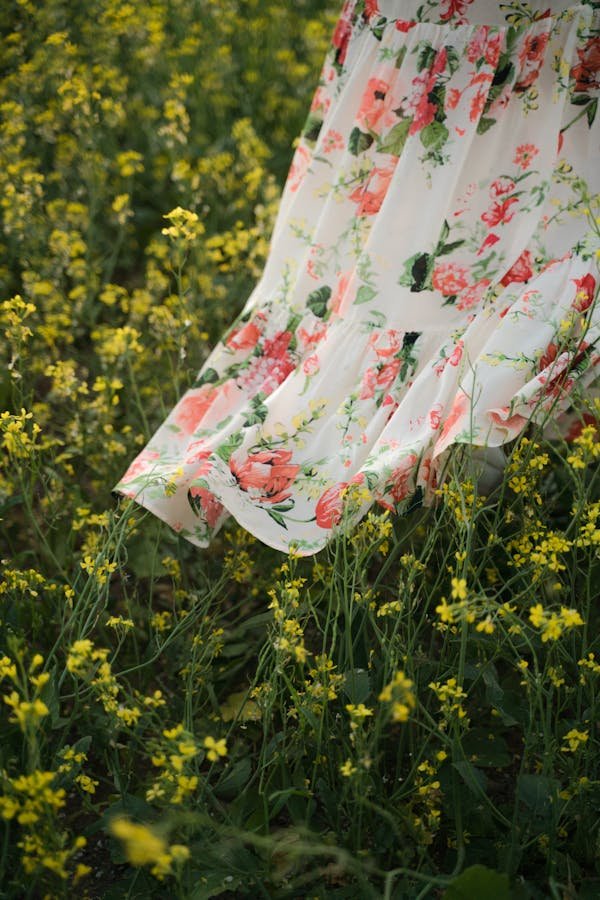
Manufacturers can use linen to make almost anything that is usually made from cotton or wool. For example, this fabric can be used to make shirts, pants, dresses, skirts, jackets, blazers, waistcoats and a variety of other casual and formal wear. In addition, linen remains a popular material for lingerie and undergarments and is also often used for nightgowns and dressing gowns.
Where is linen made?
The linen of the world
. However, the production of high-quality linen products is still an important part of the culture of many European countries, and Ireland, Italy and Belgium are still important linen producers. Linen, which is mainly used for household items, is also produced in relatively large quantities in the United States.
What different types of linen are there?
different types of laundry
Although all types of linen are made from processed and spun flax fibers, there are four main variations in weaving techniques that result in different types of linen:
1. Damask linen
Graceful and delicate, this type of linen is shaped on a jacquard loom to give a final result similar to embroidery. Damask linen is not suitable for everyday use and is more often used in decorative items.
2. Plain woven linen
Plain woven linen is often used to make tea towels, cotton towels and hand towels. Because it is relatively loosely woven, it is very durable but shows no significant degradation in durability.
3. Loosely woven linen
Loose-weave linen is highly absorbent but is the least durable type of Floral dress linen fabric. It is often used to make reusable diapers and pads.
4. Bed linen
Because of the unstructured, soft surface and tight weave, linen clothing is usually made from linen sheets. This type of linen usually has a higher thread count than other types of linen.
Click here






Leave a Reply