


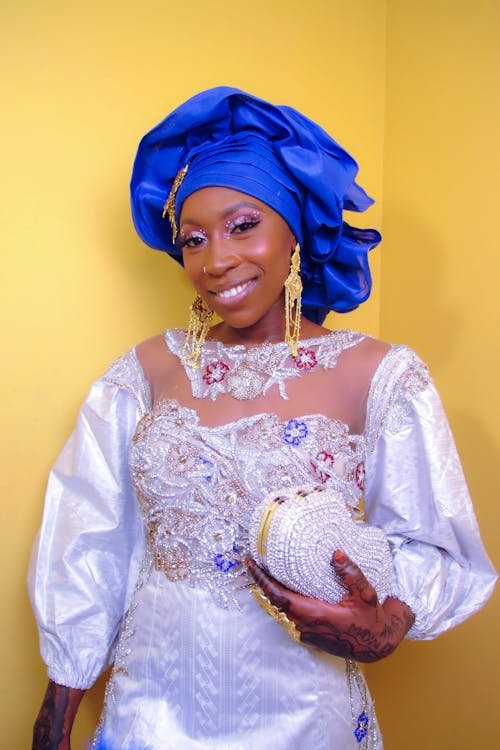
African dress fashion
AFRICAN DRESS FASHION: HISTORY AND FUTURE
The global fashion industry has been referencing African fashion for decades, but not always in the right way. We discuss the origins of African dress fashion, why it is in the spotlight and what African designers can do to take advantage of the current situation.
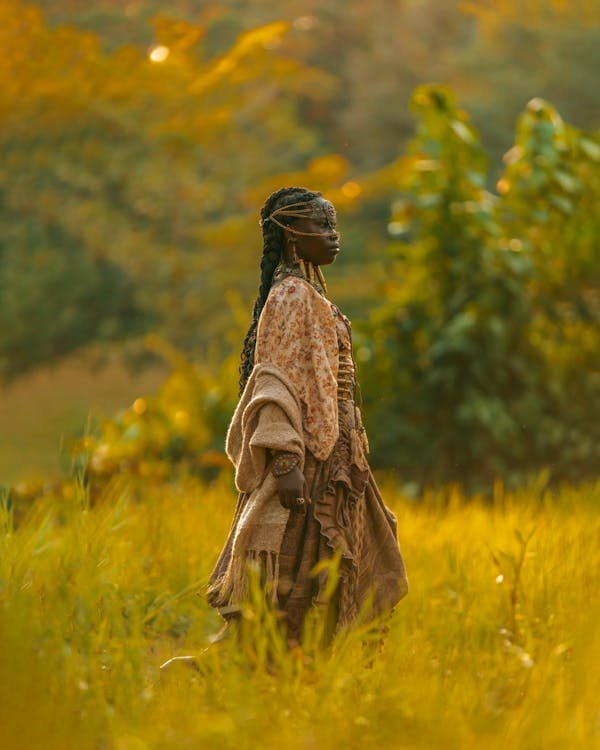
Photo credit: Yves Saint Laurent African Collection
The history of African fashion, from fabrics made from tree bark to wax prints
Africa as a point of reference in fashion and art
Why African fashion is now in the spotlight
History of African fashion
African fashion has long been misunderstood as “tribal” or “exotic” and reduced to leopard skins and mud cloths. Often it is a point of reference. However, the source is never considered as much as the derivation.
Africa is a large continent. As a result, the diversity of African fashion history that exists is influenced by a variety of societies and the status of individuals or groups within that society. Clothes
Because of the continent’s hot climate, most Africans did not dress warmly. For men it was enough to wear loincloths or aprons, while women wore cloths around the waist or chest.
The first garments were made of bark cloth
, fur, hide and skin, the rest of the body was decorated with decorations and color pigments. Men simply wrapped the bark cloth that ran between the legs over a belt. Likewise, women draped the cloth over their belts to hide the front of their bodies.
Clothing communicated status or marked a ritual or passage of time as people moved from one state to another. According to some traditions, young women wore only skirts, and when they married they wore body wraps and cloaks.
Africans soon began to sew together individual pieces of bark cloth from raffia. Over time, grass skirts became popular. They also used accessories to decorate the exposed body parts. These were more elaborate jewelry and headdresses made from shells, bones, ostrich eggshells and feathers. Furs, hides, bones, animal tails and hair, raffia, wood, grass, bells and pressed metal all contributed to a rich and ornate costume used primarily for ceremonial purposes.
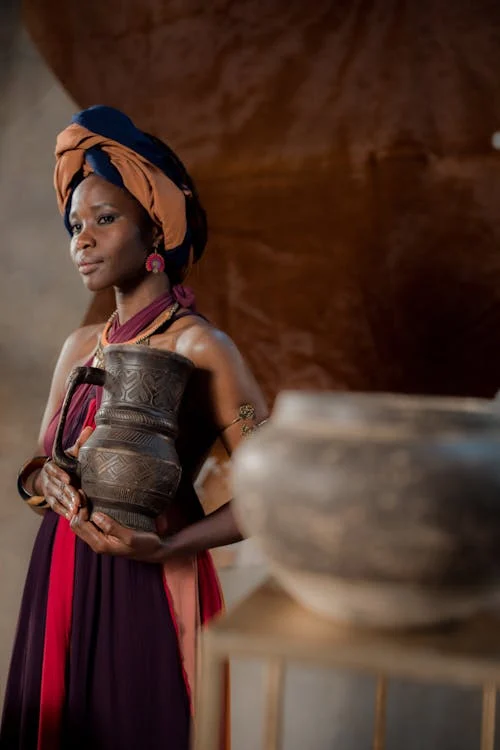
Colors and designs made from printed and dyed fabrics; woven fabric strips; and beadwork distinguished one ethnic group from another. The tribes took pride in the quality of their hand-made fabrics. They used techniques that had been passed down from generation to generation for centuries.
Trade influence
Around the 15th century, shipping routes were opened between Europe, Africa and the East. As a result, trade increased. Unusual items came from far and wide. Africans loved it and used it to decorate local fabrics. Beads, shells and buttons were used on the garments, either as embellishments or on the entire garment. For example in beaded aprons, coats, headbands and shoes.
The weaving techniques have also undergone some improvements. The fibers used today were cotton, silk, raffia and wool. Woven and decorated textiles reflected a tribe’s status, socio-economic position, culture, environment and climate.
Wax prints, now ubiquitous and synonymous with African fashion, first came to Africa in the 1800s. During the Dutch colonization of Indonesia, the Dutch adopted this style of pattern making from the Indonesians and mechanized the process. They first tried to sell it back to Indonesians but failed. They sold it to Africans who wanted it.
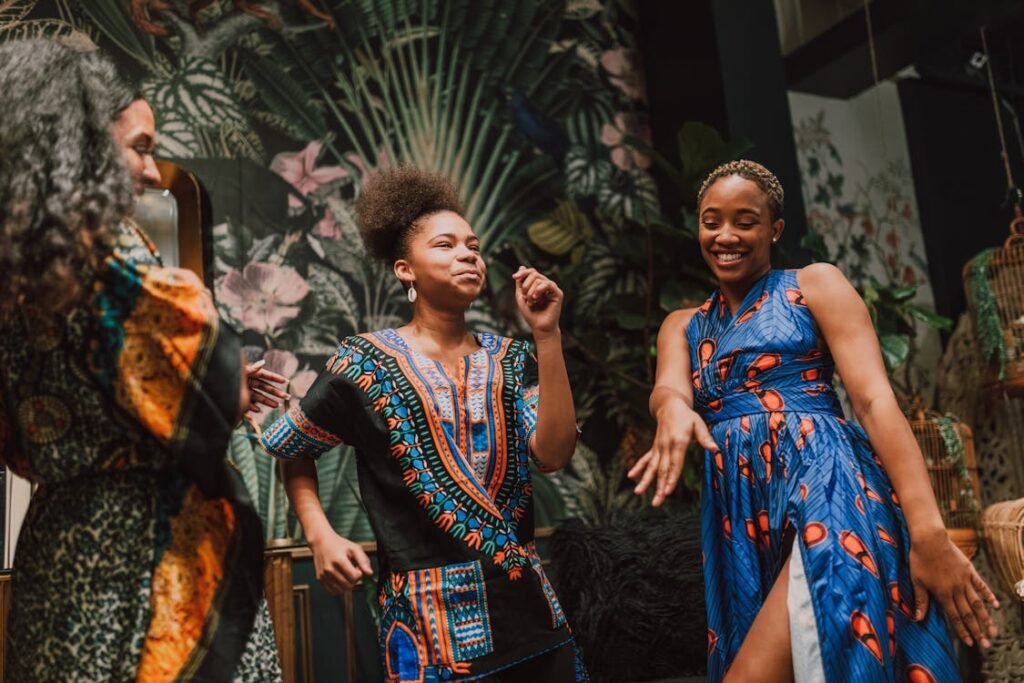
Women began to demand specific patterns, and specific patterns became a form of secret communication between groups of people. And so the trade became very successful.
It continues to bloom to this day.
Colonization forced a massive change in everyday clothing in African cities. Even after independence, traditional garments were not encouraged in many business scenarios. As a result, traditional garments were replaced by or influenced by the Western dress code, which became popular.
However, they remained widespread in the countryside. Nowadays, people in urban areas are getting used to traditional clothes even outside of special occasions. An example of this is men who choose kaftans as work clothes for Fridays off.
Africans have always adopted European fashion and given it their own twist. An example of the colonial influence on African fashion Africa is constantly mentioned in fashion, sometimes tastefully, sometimes quite badly. Yves Saint Laurent’s 1967 spring-summer collection is an
example of a tactful approach to African fashion styles.
He created a series of delicate dresses using materials such as wooden beads, raffia, straw and gold thread. The most striking dress was a tribute to the Bambara sculptures of Mali’s Bambara people. Her statues depict women characterized by long bodies and pointed breasts.
Pablo Picasso has an African period that ushered in his Cubist period for which he is known. From 1906 to 1909, Picasso painted in a style heavily influenced by traditional African masks and the art of ancient Egypt.
In Les Demoiselles d’Avignon, the faces of the two women on the right resemble masks from the Dan and Fang ethnic groups. Picasso was known for collecting African totem art. However, he denied being influenced by it. Like many creative people, he did not have the courage to acknowledge the source of his inspiration and influence on his creativity.
In the 21st century, African fashion is in the global spotlight, from catwalks to celebrity use in music videos and films. It’s almost impossible to ignore. When influencers like Beyoncé and Michelle Obama walk the red carpet in African attire, they turn heads and cement trends to follow.
African culture is currently popular all over the world, Afrobeats and African dancers can be seen on almost every screen. This inevitably leads to the world noticing what they are wearing. There are many young Africans living around the world who are increasingly trying to reconnect with their heritage. This includes learning about and embracing the fashions of her homeland to get more in touch with her roots.
At U.Mi-1 we want people to connect with the heartbeat of Africa.
Through the legacy of the creative director and our commitment to art, design and culture, we strive to showcase the beauty of Nigeria’s tribes through our designs. Our use of Aso-Oke, an indigenous handmade Nigerian fabric, is proof of this.
The essence of the material, traditional meaning and design have been preserved. We use the fabric to make beautiful, modern jackets and trousers that we call “African Denim”. This is how we breathe new life into the material. Through our collections, we also strive to showcase the richness and diversity of Nigerian culture that cannot be seen anywhere else in the world.
The future of African fashion
Social media has also played a big role in introducing the world to African fashion. It is true that people want to connect with African culture and style when they see in real time how Africans dress and the different styles that exist.
The future of African fashion looks bright, but only if it takes control of the narrative and stays ahead of the current boom. To avoid another story of exploitation, designers must also learn to act smart and set up the right infrastructure to produce and sell their products. Recognition is not the end game. As consumers, we buy from African brands instead of African-inspired collections from Western brands.
African fashion designers deliver the fresh shapes and vibrant colors that the world is craving right now. We hope they have a lasting impact and encourage future generations of designers.
Click here



Leave a Reply