


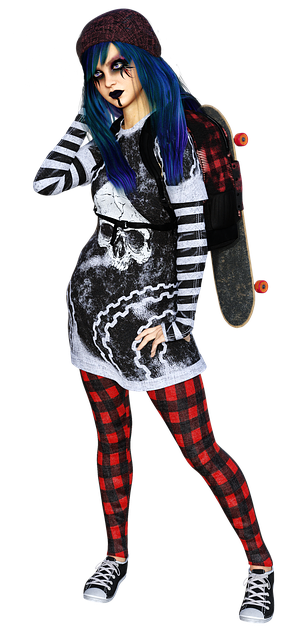
Punk dress
What was Punk dress in the early 70s?
Nowadays everyone knows what punk fashion is, but in 1970 it didn’t exist. Punk emerged in London in the mid-1970s as an anarchic and aggressive movement. Around 200 young people defined themselves as anti-fashion urban youth street culture. Closely connected to this was a music movement that took the name punk.
Anti-fashion – worn fashion becomes Punk dress
The clothes suited the lifestyle of people with little money due to unemployment and the generally low income that school leavers or students often have.
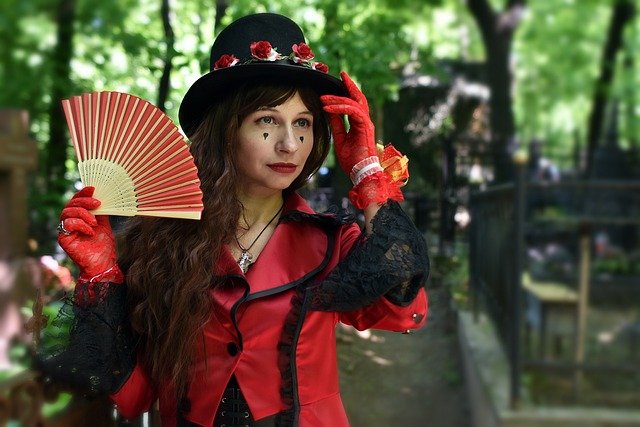
Punks cut up old clothes from charity and thrift shops, destroyed the fabric and remade the clothes using what was then considered crude construction techniques to create garments designed to attract attention. It deconstructed garments into new forms. Until then, fabric was treated as a material to keep it as pristine, new and beautiful as possible.
Pants were intentionally torn to reveal step tights and dirty legs. They were worn with heavy Doc Martens shoes, a utilitarian, practical style of traffic controllers at the time that hadn’t been seen on many young women until then. Safety pins and chains held pieces of fabric together. Necklaces were made from padlocks and chains and even razor blades were used as pendants. The latter became a status symbol in mainstream fashion a few years later when they were made into gold.
Self-mutilation and piercings
Body piercings were done in places other than the usual earlobe placement.
Attaching rivets and pins to areas of the face such as eyebrows and cheeks, noses or lips was quite unusual for the general public at the time, even after the freedom of the 1960s.
Although Edwardian ladies are known to have rings inserted into their nipples to accentuate their breasts, this was not common in the 60s and 70s. Self-harm, rejection of beauty and piercings were not the norm then.
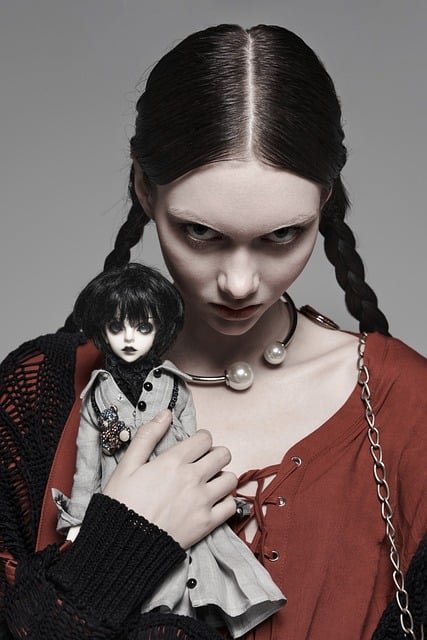
What we consider a normal fashion trend today was quite unusual back then.
Body piercing in 70s Punk dress style
Body piercing seems to be common these days in the 21st century.
It went mainstream pretty quickly, from three-button ear tips to full ear tips. This was followed in the early 80s by Goths wearing nose piercings.
In the 90s, belly, tongue and intimate piercings were very popular.
25 or 30 years ago it was really anti-fashion and anti-establishment, but today it’s so common that even great-grandmothers no longer giggle.
Bondage in early punk style
Black leather, studs, chains, muff fabrics,
gray sweaty black t-shirts, animal print bondage booties and leg loops embody some of the looks that immediately come to mind when you think of the early punks.
What were once considered obvious and blatant sexual innuendos written on painted and tattered vests have become the norm again and the masses are happy to wear t-shirts with Fcuk on them or covet a graffiti covered Louis Vuitton bag, both accepted fashion trends due to. the path of the early punk movement.
McLaren founded the punk music group
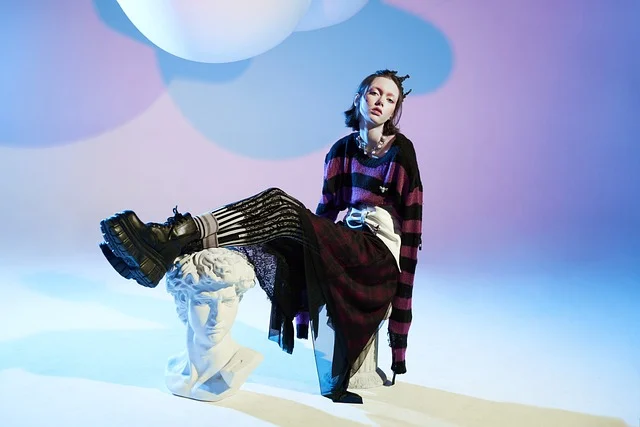
The punk group wore clothes from a store called Sex, which Vivienne Westwood and her partner Malcolm McLaren opened on London’s Kings Road. They sold fetish items made of leather and rubber Shortly thereafter, Westwood opened the store alone, renaming it World’s End. Westwood quickly implemented his ideas into the fresher pirate and romantic look. The collections were innovative but considered useless, but other designers often took up the ideas she suggested and soon started a new trend.
In later years, as her talent developed, her mood and methods changed.
Lots of hair or no hair
Worth mentioning is punk hair –
A focal point of the Punk dress look was hair sprinkled as high as possible in a mohawk hairstyle using various means, including sugar and water solutions, soap, gelatin, PVA glue, hair spray and hair gel.
There was big hair before big hair became common in the 80s. It should frighten the viewer and grab their attention. Excessive bleaching was common and intentional when home remedies were first used to achieve previously unknown effects.
An alternative option was to shave parts of the scalp. Both sexes did this. They wanted to appear scary. The hair was sometimes dyed jet black or bleached white blonde. The eyes were highlighted with black and sometimes cat eye makeup and vampire lips drew more attention to the face.
Punk is sophisticated – Punk Chic by Zandra Rhodes
Around 1977, British fashion designer Zandra Rhodes adopted elements of punk style and used them in her collections. She created more sophisticated and elegant versions in bright colors that were more popular with the rich and famous. The carefully placed holes were trimmed with gold thread and the hems were decorated with beautiful embroidery. She always dyed her hair exotic colors and wore it like some kind of feathers.
The toned-down punk chic rose to the top of the market. Versace also decorated dresses with large safety pins, most notably a black dress worn by Liz Hurley to accompany Hugh Grant to the premiere of the film Four Weddings and a Funeral circa 1992.
Nowadays, every fashion store has torn and worn clothes. Many are similar in concept to those originally worn by early punks in the 1970s.
You may also be interested in Laver’s Law, a timeline of James Laver’s fashion style.
If you are interested in other, less conventional fashion trends, you will enjoy this book Surfers Soulies Skinheads and Skaters: Subcultural Style from the Forties to the Nineties
Selfridges celebrates punk
Selfridges bags The Future of Punk (press release)
4 March 2006 marks the start of the biggest punk turnout since the BBC vetoed Johnny Rotten’s rendition of God Save the Queen!
Inspired by next season’s modern take on glam rock and celebrating punk’s thirtieth anniversary, Selfridges presents FuturePunk, its own take on the 21st century attitude that has dominated youth culture and influenced fashion for three decades. With FuturePunk, Selfridges builds on its heritage of retail innovation and ingenuity, pushing boundaries in the name of punk spirit.
It will be a multi-faceted event with music performances, exhibitions and lectures, where exclusive luxury goods will sit alongside vintage, punk classics and products such as t-shirts, badges, toys, books and CDs.
Alannah Weston, creative director of Selfridges, said: “The project captures the spirit of this hugely influential movement. We’re bringing in past punk greats like Malcolm McLaren and using it to create new talent in fashion and music, inspired by the defiant.” inspired by the DIY attitude of punk.”


Leave a Reply