


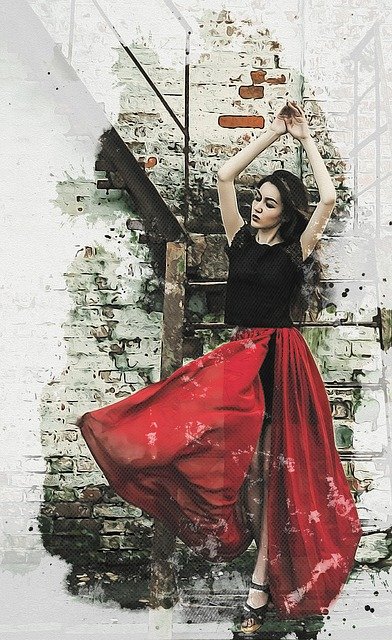
Drag queen dress
It’s not all about glitter and amazing outfits! Learn more about Drag queen dress
Fashion is subject to constant change.
Social movements reflect how people dress, act, and even how industries work. And of course, Drag queen dress are important players when it comes to fashion, empowerment, confidence and glamour.
At the end of the Middle Ages
and the beginning of the Renaissance, around 1350 AD, there was a change in society’s thinking.
Man began to question the world he knew and to think for himself. And this has been further enhanced by technological developments.
Fashion as we know it originates in the concept of “I”, the individual.
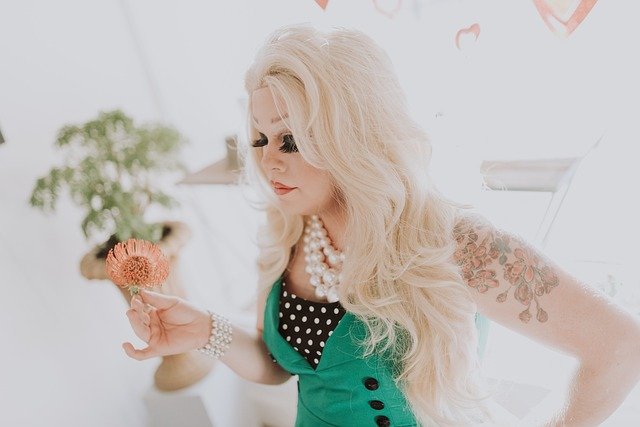
Clothing and aesthetics began to express what a person was thinking and going through. In other words, garments have become a matter of pride and display.
Each month during this Pride month, FASHINNOVATION will bring you important topics and discussions surrounding the LGBTQ+ community.
And this week, as you might have guessed, is all about amping up the Drag queen dress vibes.
Read on to learn more about this art!
A Drag queen dress is a performer who uses clothing and elements such as wigs and makeup, often of the opposite sex, for entertainment purposes.
It has nothing to do with gender identity or sexual orientation. In other words, anyone, gay, straight or bisexual, cissexual or transgender, can be a drag queen (or drag king, as women with male characters are called).
The word comes from Polari, a 19th-century English dialect that was later used by the LGBT community. Some say “drag” is an acronym for “dressed as a girl” said to appear in old theater scripts to guide the play’s director.
How the Drag queen dress fad began
Actors of the time saw this fashion as a form of expression. The possibility of wearing extravagant clothes has become a dramaturgical problem for stage use. This idea still exists as in addition to the performance of the artist, the Drag queen dress fashion is also highlighted on the stages.
It wasn’t until the 1920s that drag became more suitable for the LGBTQ+ community.
Since then, large parties took place where most men dressed up as women. These parties were called “Drag Balls”, a dance of drag culture. This period became known as “Pansy Madness”, during which the popularity of drag culture increased.
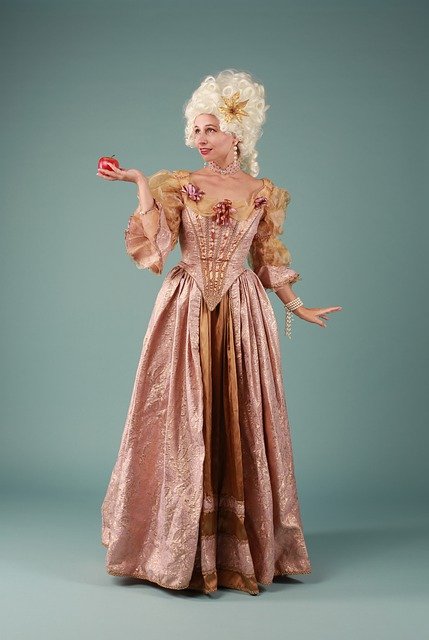
Although these balls put more emphasis on glamor and the drag lifestyle, audiences appreciated the comedy shows in theaters even more, so it was time to reinvent themselves and try to find a balance between the two.
In 1930, draft even became an expensive profession. It was considered a great investment for a man to hold the position expected of a woman at the time. Even today, clothes, wigs and makeup are still cheap.
Then Drag queen dresss were arrested because cross-dressing was seen as an affront to society. The artists began to disappear and those left behind had to hide. It had become a big taboo.
Drag queen dress these days
As society discovered itself,
important social flags were raised. Nowadays, the practice of dressing excessively, whether female or male, is already extremely interesting and is considered a kind of art and profession.
Being a drag queen or drag king, which involves women dressing too much as a man is expected to do, has become a common question. However, these artists don’t always get the respect and recognition they deserve.
A program that has contributed significantly to the spread of this art worldwide is RuPaul’s Drag Race, a program where around 13 contestants compete for the drag queen superstar’s biggest prize.
Another familiar face is Pabllo Vittar,
a Brazilian drag queen known worldwide for her music and personality. Music is closely connected to culture and expression of existence, so Vittar was quickly embraced by the entire LGBTQ+ community.
We reiterate the importance of discussing topics that have long been considered taboo. Only education can overcome obstacles.
The LGBTQ+ community is large, diverse, colorful and even more proud of who they are. You deserve respect and recognition. As we have seen, drag queens are not necessarily part of the community. However, these artists and their art are often marginalized due to prejudice and discrimination. But luckily, that is changing.




Leave a Reply