


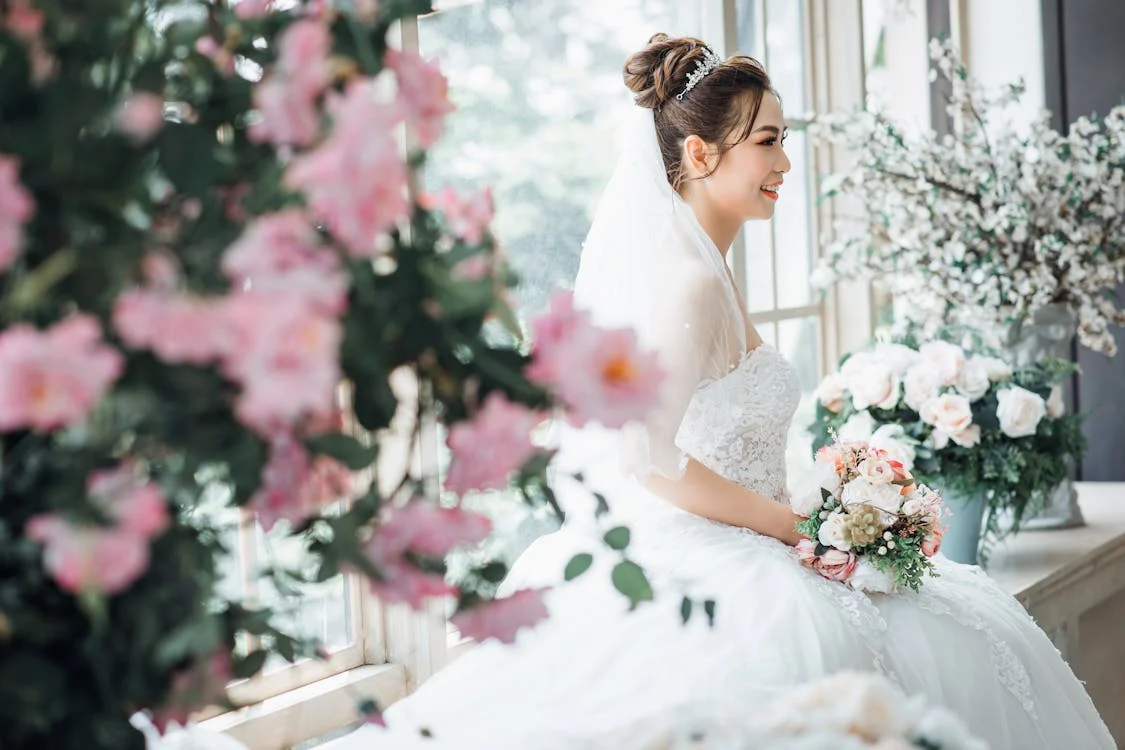
Rose dresses
The Rose dresses and the wild thorns that protect it, as well as the symbolism and myths it inspired, have long influenced designers of fashion clothing, textiles and accessories.
Read the publication
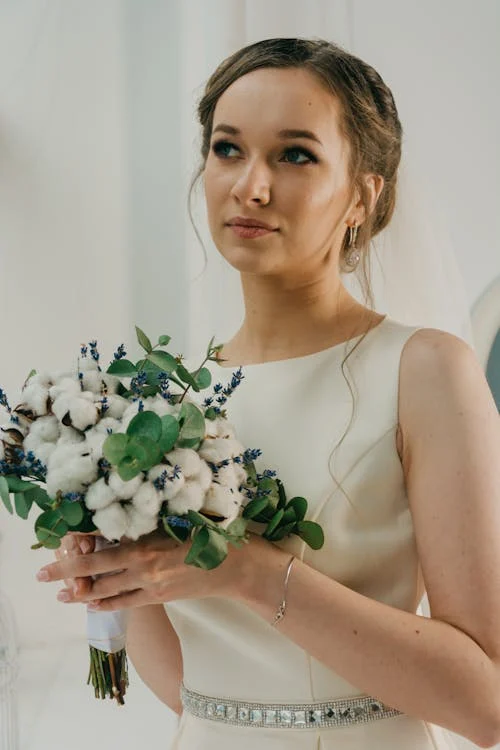
“The Rose dresses in Fashion: Ravishing”
(published by Yale University Press and available now) was written by Amy de la Haye. It includes a conversation ‘On Roses’ with renowned photographer Nick Knight, as well as contributions from fashion historians Jonathan Faiers, Colleen Hill, Mairi MacKenzie and Geoffrey Munn.
Wonderful: The Rose in Fashion Symposium
This virtual event was the museum at FIT’s 24th Academic Symposium. Ravishing: The Rose in Fashion explored how the Rose dresses’s beauty, mythology and symbolism have long influenced fashionable clothing.
Exhibition details
Ravishing: The Rose in Fashion explores how the Rose dresses has influenced the way we look, dress, feel and imagine. The rose and the wild thorns that protect it, as well as the symbolism and myths it inspired, have long influenced designers of fashion clothing, textiles and accessories.
This major exhibition highlights innovative and experimental designs while recognizing that wearing or holding a Rose dresses can be transformative. To maintain a safe environment, visitors are encouraged to plan their visit in advance by reading the latest security guidelines and protocols available here.
The exhibition includes more than 130 items, from the most luxurious handwoven and embroidered silks of the 18th century to the latest gender-neutral runway trends. The works have been selected from the museum’s world-class collection and include a large group of hats, many of which are being exhibited for the first time.
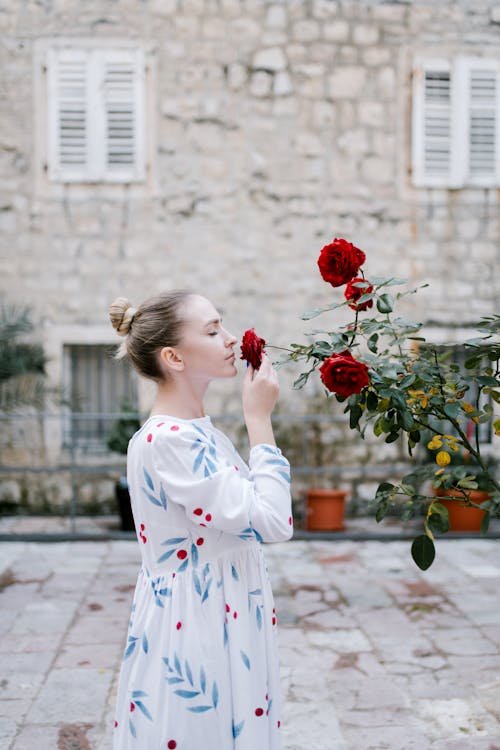
The clothes and accessories are interpreted in context with themes such as love, beauty, sex, sin, gender identity, rites of passage, transgressions, humiliation and death.
whether red, pink, white, yellow or black.
The Rose dresses and its thorns have long associated with love and pleasure, but can also refer to suffering, purity and transience,
this beautiful exhibition is based on three centuries of fashion and includes work by designers from Charles James to Alexander McQueen de la Haye and Colleen Hill to co-curate what will undoubtedly be one of our most popular exhibits.”
The opening gallery consists of a magical “rose garden of hats” of international fashion designers such as Lilly Daché, Mr John and Caroline Reboux, as well as fashion design houses such as Christian Dior, Lanvin and Schiaparelli.
Some hats are decorated with beautiful artificial roses, others resemble the shape of the flowers, some appear to be made of petals, and others are made of Rose dresses patterns. A stunning wide-brimmed black horsehair hat from circa 1908, adorned with a profusion of crimson silk buds and roses, has been competently preserved for display.
Another, by the American miller Mr. John, is from 1950 and is called “Primavera”.
The rose-like shape, dotted with pink cotton petals,
is decorated with artificial wild roses, daisies, violets and small yellow flowers. More modern is a cute black top hat with a pink silk rose, designed by Stephen Jones in 2008 and recreated especially for this exhibition.
The introduction to the exhibition features more than 75 original photographic portraits of people with real and artificial roses from the 1850s to the 1920s, a period when studio and amateur photography became increasingly accessible. These images, collected especially for the exhibition, show how roses were regularly used as studio props and could transform the wearer’s dressed appearance.
The main gallery, the “Rose Garden of Fashion”, is designed in a romantic yet daring garden theme. It shows more than 50 ensembles organized by color. The visitor first encounters a dramatic exhibition on the theme of red Rose dresses, inspired
Another part focuses on the use of the colors white and light pink.. White and pink roses were associated with young women and were therefore often used in debutante dresses.
The 1937 Charles James dress worn by New York debutante Esme O’Brien has a bare-bones life.
It was designed in a neo-romantic style
inspired by fashion from the late 19th century.
Although many of James’ silhouettes have been compared to flowers, the use of artificial flowers was rare and spectacular. Another item of clothing in this section is a newly acquired circa 1810 dress made of sheer white cotton, embroidered with a winding, naturalistic rose motif at the hem, reminiscent of youth and spring.
The black Rose dresses can symbolize love of fate, tragedy and death. Although there are no truly black flowers in nature, the idea of one has proven compelling. There are many black roses in fashion design that have a glamorous and/or transgressive appeal and are often depicted in lace patterns.
Cristóbal Balenciaga referenced his Spanish heritage by using black lace, worn by the clergy and monarchy since the late 18th century; The exhibition features a two-piece Balenciaga cocktail ensemble from 1963, made of rose motif Chantilly lace covered with black satin. In contrast, a pioneering disposable ‘paper’ dress from 1968 features an oversized screen-printed image of a rose.

Finally, there is a group of garments depicting a “mixed bouquet” of roses, with the flowers in yellow, blue and other colors. This section also highlights that the rose was and is important in men’s fashion and more recently in gender neutral design. Roses play a prominent role in the collections of Alessandro Michele,
creative director at Gucci.
The exhibition features a suit by Michele made of dark blue silk with a pattern of pink roses, which was part of his recent special men’s art show. Charles Jeffrey’s ‘Rose dresses-scribble’ printed fabric, used to create a men’s jacket, is distinctive for the designer’s use of bold colors and graphic patterns.
NIHL designer Neil Grotzinger creates gender-neutral collections that explore concepts of masculinity, queerness, power and sensuality. His two-piece ensemble is made of Rose dresses print lace and the pants are sprayed in shades of grey, brown, red and orange.
The exhibition is curated by Amy de la Haye, Rootstein Hopkins Chair of Dress History and Curatorship and joint director of the Center for Fashion Curation at the London College of Fashion, together with Colleen Hill, curator of costumes and accessories at The Museum at FIT.
Amazing:
The Rose in Fashion is leading the first phase of MFIT’s reopening after its 2020 closure when FIT transitioned to distance education due to the pandemic. In addition to Fashion Culture’s virtual program, a fall exhibition will be announced shortly.
Click here




Leave a Reply