


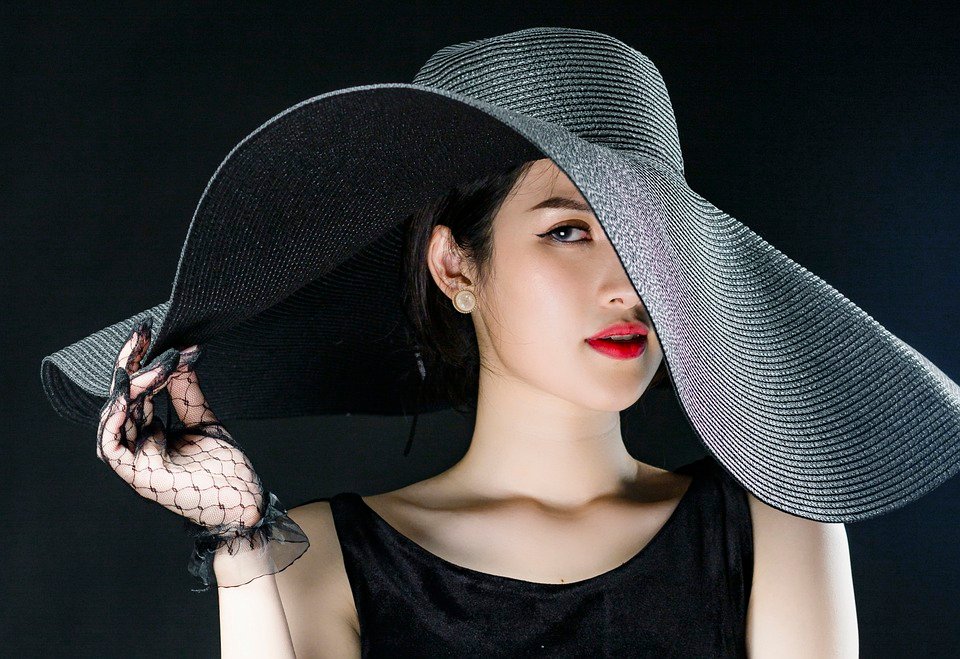
Little black dress
For other uses, see Little Black Dress
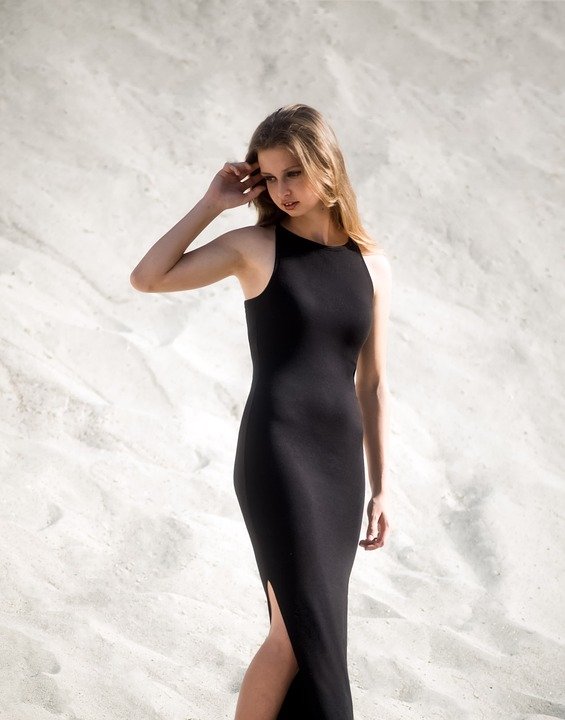
is a black evening or cocktail dress
simply cut and often quite short.
Fashion historians trace the origins of the little black dress to the designs of Coco Chanel in the 1920sThe dress is meant to be durable, versatile, affordable and readily available.

The little black dress is considered essential for a complete wardrobe. Many fashion observers argue that every woman should own a simple, elegant black dress that can be worn formally or informally depending on the occasion.
For example, the LBD can be worn with a jacket and pumps for the day at the office. It can also be worn with dainty jewelry and accessories for evening wear or a formal event such as a wedding or prom.
Story
Black has always been a symbolic color. In the early 16th century, black meant wealth to Spanish aristocrats and Dutch merchants, as it was incredibly expensive to produce the black dye from “imported oak apples.
In the early 18th century, black represented romanticism and artistry. As Ann said, “Black is poetic. How do you imagine a poet? In a bright yellow jacket? Probably not.” In the early 19th century, black was adopted by romantics such as Byron, Shelley and Keats because of its melancholic appearance.
At the beginning of the Victorian era,
black changed from a color for art to a color for mourning and mourning
– widows were expected to wear black for at least a year – and also for service dress, as a uniform for maids.
Vogue called it “Chanel’s Ford”. Like the Model T, the little black dress was simple and accessible to women of all walks of life. Vogue also said that the LBD would become “a sort of uniform for all women of taste.”
This and other designs from the house of Chanel helped to detach black from sadness and reinvent it as a uniform for the upper class, rich and chic.
As Coco herself proclaimed: “I introduced black; it’s still going strong today because black sweeps away everything around you.”
The little black dresses remained popular during the Great Depression primarily for its frugality and elegance, although the line expanded somewhat. Hollywood’s influence on fashion helped popularize the little black dress, but for more practical reasons:
As Technicolor films became more popular
filmmakers relied on little black dresses because other colors appeared distorted on screen and ruined the color process.
During World War II, the style persisted, partly due to widespread rationing of textiles and partly as a general uniform with business attire) for civilian women entering the workforce.

Variations of Chanel’s little black dress during the Chanel: The Legend exhibition at the in The Hague in 2014
The rise of Dior’s post-war
“New Look
returned the little black dresses to its roots as a uniform and symbol of the dangerous woman.
Hollywood characters such as femmes fatales and fallen women were often depicted in black halter dresses, as opposed to the more conservative dresses of housewives or healthier Hollywood stars.
The generational conflict of the 1960s led to a divide in the design of the little black dresses. The younger “Mod” generation generally preferred a miniskirt in their versions of the dress, and designers taking cues from youth culture continued to push the boundaries
– shortening the skirt even more, creating cutouts or slits in the skirt, or at the top of the dress and the used transparent fabrics such as net or tulle.
Many women longed for simple black sheath dresses, similar to the black Givenchy dress worn by Audrey Hepburn in the critically acclaimed film Breakfast at Tiffany’s.
The popularity of loose fabrics,
especially knitwear
, for formal and business wear in the 1980s brought the little black dress back into fashion. In combination with the fitness trend
The new glamor of the late 90s led to new variations of the dress, but as in the 50s and 70s the color re-emerged as a factor in fashion and formal wear, always showing an aversion to black. The resurgence of form-fitting clothing,
muted color schemes and the resurgence of dominant black, as well as the retrospective trends of the 80s in the late 2000s, paved the way for a return of interest in clothing.
Known examples The black dress worn by Audrey
as Holly Golightly in the Hubert de Givenchy-designed film Breakfast at Tiffany’s (1961) embodied the standard for wearing beaded little black dresses (collectively called “Basic Black”), which. The dress set a record in 2006 when it was auctioned for £410,000, six times its original estimate.]
Betty a cartoon character partly based on 1920s It girl Helen Kane, was drawn in a little black dress in her early films, but with Technicolor, Betty’s dress was later made red.
Wallis Simpson, Duchess of Windsor, owned several little black dresses and praised the garments. A quote from the Duchess: “If a little black dress is good, you can’t wear anything else.”
Piaf, the icon of French folk music, performed in a black rock dress throughout her career: this habit earned her the nickname “little black sparrow”. The dress was meant to help the audience focus more on Piaf’s singing and less on her appearance.
Diana, Princess of Wales, wore a black Christina dress
at the Serpentine Gallery’s summer party hosted by Vanity Fair in June 1994, the night her husband Charles, Prince of Wales, admitted to having an affair with Camilla Parker Bowles. Diana’s dress is sometimes compared to a “little black dress”.
Maria Sharapova wore a “little black dress” co-designed with Nike, inspired by Hepburn, to her evening matches at the 2006 US Open and won the tournament. Returning to the sport in 2017, eleven years after winning the tournament
, she once again wore a “little black dress” in collaboration with Nike and Swarovski for her evening matches at the 2017 US Open to celebrate her return to the Championships. The look was meant to be reminiscent of her dress from 2006.
In one incident at London’s Covent Garden Theater in 2004, a director kicked the then overweight soprano Deborah Voigt out of an opera because she couldn’t fit into a “little black cocktail dress”. He replaced her with the slimmer Anne.
Click here


Leave a Reply